Essential Gear for Day Hikes and Backpacking
What to pack for comfortable, safe trail time. We break down gear by season and trip length so you don't overpack or miss anything important.
Why Gear Matters on the Trail
You don't need to spend a fortune, but you do need the right equipment. The difference between a great day on the trail and a miserable one often comes down to what's in your pack. We're talking about comfort, safety, and honestly — the ability to actually enjoy yourself out there.
Whether you're heading out for a three-hour loop in your local state park or planning a weekend backpacking trip into the backcountry, you'll want to make smart choices about what you carry. Most hikers learn this the hard way — either by bringing too much and exhausting themselves, or by forgetting something essential and suffering the consequences.
The good news? Once you've got your core gear dialed in, you're set. You'll know what works for you, and you can actually focus on the trail itself instead of worrying about your feet hurting or your pack straps cutting into your shoulders.
Start With Your Feet: Boots and Shoes
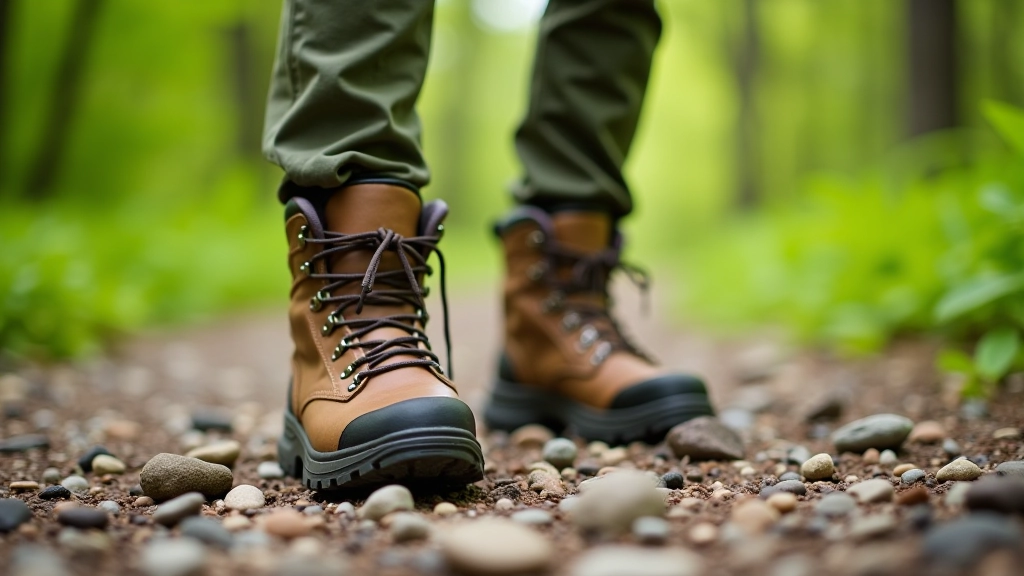
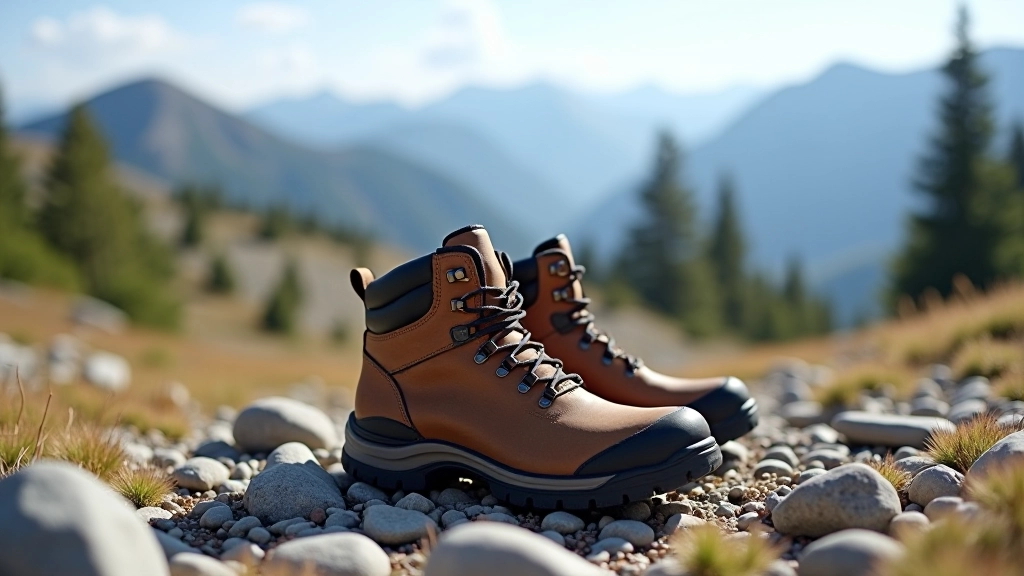
Your feet carry you for miles, so this is where you really shouldn't compromise. There's a reason experienced hikers obsess over footwear — bad boots mean blisters, and blisters mean your hike ends early.
For day hikes up to 8 miles, a quality hiking shoe works great. They're lighter than boots and offer solid ankle support without the break-in period. But if you're doing longer treks or carrying a heavy pack on uneven terrain, you'll want actual hiking boots. The extra ankle support matters when you're exhausted and the trail gets rocky.
Here's what to look for: waterproofing (your feet will get wet), good arch support, and a sole with real grip. Don't cheap out here. A solid pair runs $120-180, and they'll last through hundreds of miles if you take care of them. Bring moisture-wicking socks too — merino wool or synthetic blends beat cotton every time.
Choosing the Right Backpack
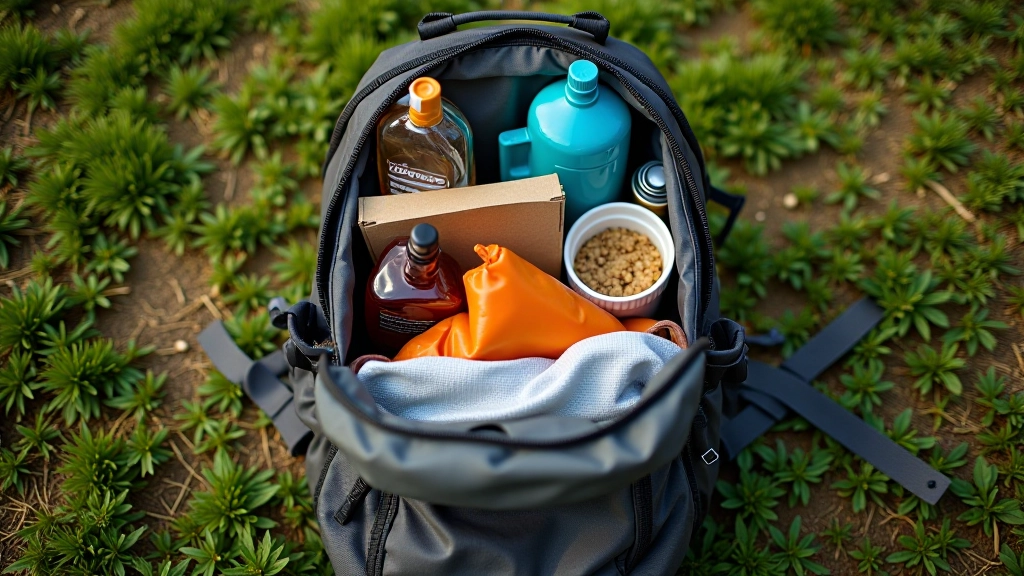
Size matters. A 20-25 liter pack works for day hikes where you're just carrying water, snacks, and a light layer. Go with 30-40 liters if you're doing an overnight trip. Anything bigger and you're tempted to overpack, which defeats the purpose.
Look for padded shoulder straps that actually distribute weight to your hips (not your shoulders — that's the whole point). A good pack has multiple compartments so you're not digging through everything to find your sunscreen. Waterproofing or at least a rain cover is essential. Your electronics and snacks don't want to get soaked halfway through.
Pro tip: test your pack before you hit the trail. Load it with the actual gear you'll carry and do a short walk around your neighborhood. You'll figure out pretty quick if the straps are going to work for you or drive you crazy. And yeah, investment here is worth it — you'll be using this thing for years.
The Non-Negotiables: What Goes in Your Pack
These items aren't optional. They solve real problems and keep you safe and comfortable.
Water and Hydration
Carry at least 2 liters for a full day hike. A hydration pack with a drinking tube makes it easy to stay hydrated without stopping constantly. For longer trips, know where water sources are and bring a lightweight filter.
Food and Energy
Trail mix, energy bars, and fruit work great. Don't skip this — running out of fuel mid-hike makes everything harder and less fun. For backpacking, lightweight meals like instant rice or freeze-dried options keep weight down.
Sun Protection
Sunscreen, a hat, and sunglasses are bare minimum. UV exposure at elevation is intense — you'll burn faster than you think. A lightweight long-sleeve shirt adds extra protection without much bulk.
Weather Protection
Weather changes fast on the trail. Bring a lightweight rain jacket and an extra layer — a fleece or puffy vest weighs almost nothing but makes a huge difference. Even on sunny mornings, pack this stuff.
First Aid Basics
A small first aid kit handles blister treatment, cuts, and minor aches. Include pain relievers, athletic tape for your ankles, and blister prevention supplies. You don't need much — just the stuff you'll actually use.
Navigation
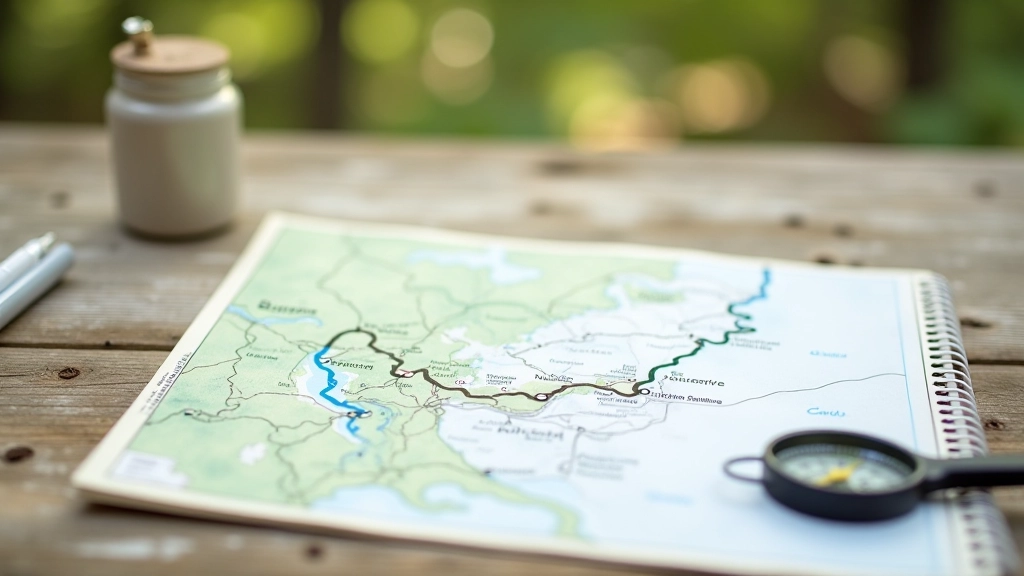
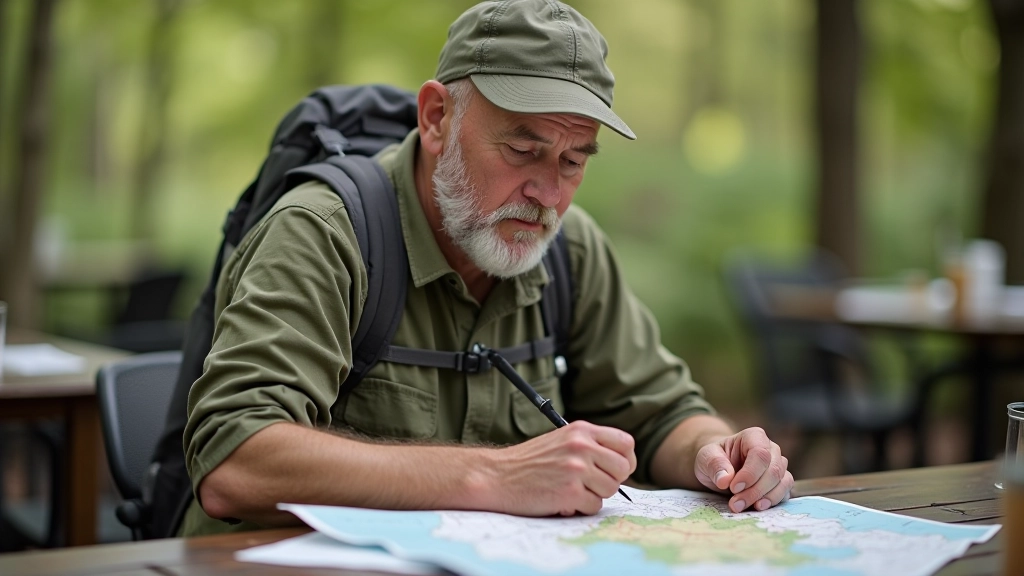
Download offline maps on your phone or bring a paper map and compass. Getting lost wastes time and energy. Even on familiar trails, having a backup navigation method keeps you confident and safe.
Dressing in Layers: The Strategy
This is the secret to staying comfortable whether it's cool at dawn or warm at midday. You're not trying to be fashion-forward out here — you're managing temperature and moisture.
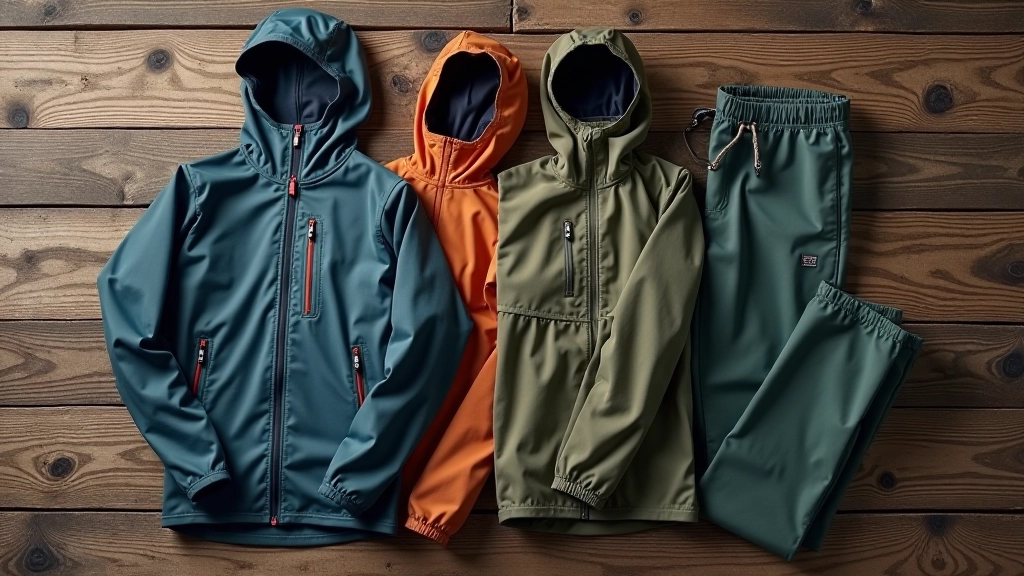
Start with a moisture-wicking base layer (synthetic or merino wool). Add an insulating middle layer like fleece that you can shed if you warm up. Top it off with a wind and rain-resistant outer shell. As you hike and warm up, you peel layers off. When you stop and cool down, you add them back.
Cotton holds moisture and dries slowly — avoid it. Synthetic fabrics and merino wool both dry fast and keep you comfortable. For spring and fall in most of the U.S., you're probably looking at base layer plus a light insulating layer plus a rain jacket. Summer? Base layer and a shell might be all you need. Winter? Add insulation and make sure everything is rated for the temperature.
Seasonal Adjustments: What Changes
Spring & Fall
Temperature swings are huge. Layer aggressively. You might start in a fleece and a rain jacket, then strip down to just a t-shirt by afternoon. Bring extra socks — wet feet from stream crossings or morning dew happen constantly.
Summer
Heat and sun are your main concerns. Lightweight, breathable clothes. Wide-brimmed hat. Sunscreen you reapply. Bring more water than you think you'll need — dehydration sneaks up. A light long-sleeve shirt protects from sun without overheating.
Winter
Insulation is critical. Bring a puffy jacket rated for the actual temperature. Waterproof gloves, warm hat, merino wool socks. Shorter daylight means you need a headlamp. Trails get icy — microspikes for your boots prevent dangerous slips.
Your Pre-Trail Checklist
Before you leave home, verify you've got these essentials packed:
✓
Boots or shoes (broken in, not new)
✓
Backpack with rain cover or waterproofing
✓
At least 2 liters of water and a way to carry it
✓
Trail snacks (high-energy foods)
✓
Weather-appropriate layers (no cotton)
✓
Rain jacket
✓
Sun protection (sunscreen, hat, sunglasses)
✓
First aid kit
✓
Navigation (map, compass, or offline maps)
✓
Headlamp with extra batteries (if hiking near dusk)
✓
Phone charged (and ideally with offline maps downloaded)
✓
Lightweight insulating layer
Final Thoughts: Build Your System
The best gear is the stuff you'll actually carry and use. Don't obsess over having the fanciest equipment — focus on reliable, functional items that solve real problems. Start with quality boots and a good pack, then add the essentials we've covered.
After a few hikes, you'll know what works for you. Maybe you need extra socks. Maybe you prefer a different water bottle system. That's fine — adjust based on real experience, not what some gear reviewer online says you should have.
Once you've got your system down, you'll be free to focus on what really matters out there: the trail, the views, and the feeling of being outside doing something that matters to you. That's when hiking stops being about the gear and starts being about the experience.

Disclaimer
This article is informational and educational in nature. Hiking and backpacking involve inherent risks including but not limited to weather exposure, terrain hazards, and physical exertion. We recommend consulting with healthcare providers before beginning any new physical activity, especially if you have pre-existing health conditions. Always check weather forecasts, inform someone of your trail plans, and follow Leave No Trace principles. Gear recommendations are general guidance — your personal needs may differ based on your fitness level, experience, and local conditions. This content doesn't replace proper training, instruction from experienced hikers, or professional guidance.
Related Articles