Finding the Right Hiking Group for Your Level
How to assess trail difficulty, connect with groups that match your pace, and avoid common beginner mistakes when joining organized hikes.
Why the Right Group Matters
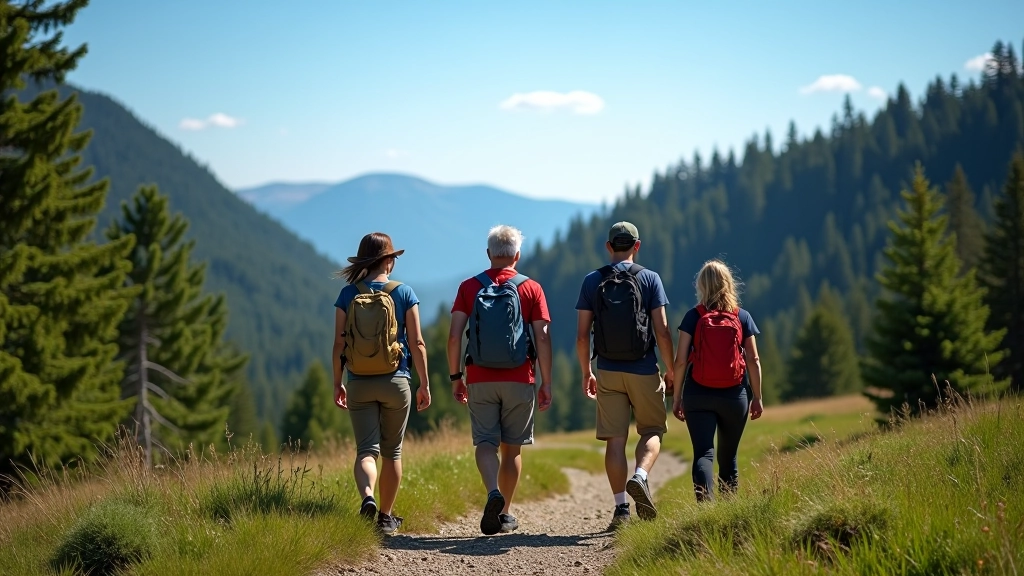
Joining a hiking group sounds straightforward until you're standing at a trailhead realizing the pace is way too fast or the terrain's steeper than you expected. It's frustrating, and honestly, it can turn people away from hiking altogether.
The good news? Finding the right fit doesn't require trial and error. You'll want to know what questions to ask, how to evaluate your own fitness level honestly, and what red flags to watch for. Most groups are welcoming and genuinely want new members to have a good experience.
This guide walks you through the practical steps for finding a group that matches your abilities and goals.
Assess Your Current Fitness Level Honestly
Before you even search for groups, you need a realistic picture of where you stand. Not where you want to be in six months — where you are right now.
Ask yourself: Can you walk for 45 minutes without stopping? How do you feel climbing stairs? When was the last time you did sustained physical activity? These aren't trick questions. They're the foundation for choosing trails that won't leave you exhausted or discouraged.
Most groups categorize hikes by distance and elevation gain. A 3-mile trail with 500 feet of elevation is fundamentally different from a 5-mile trail with 1,500 feet. The second one demands significantly more cardiovascular fitness and leg strength. If you haven't hiked in years, starting with the 3-mile option makes sense.
Be honest about your knees, ankles, and any injuries. Some groups specialize in accessibility and modified routes. Others tackle steep terrain with technical footing. Knowing your limitations helps you pick the right environment.
Where to Find Organized Hiking Groups
Start with local outdoor clubs and meetup platforms. Most cities have established hiking clubs that've been running trips for years. They're experienced at matching people with appropriate trails.
State parks often host ranger-led hikes. These are excellent for beginners because rangers know the terrain intimately and can adjust pace as needed. Plus, you're getting expert knowledge about local ecology and history.
Online platforms like Meetup.com host dozens of groups. REI stores (if you're near one) run hiking clubs. Facebook groups dedicated to your region sometimes organize trips. The variety is actually helpful — you can scope out multiple groups before committing.
Don't skip the smaller, niche groups either. Some groups specifically focus on hikers over 40. Others concentrate on slow-paced nature walks. You'll find your people.
Critical Questions to Ask Before Joining
Once you've found a group, don't just show up. Reach out and ask specific questions. Here's what matters:
What's the actual pace?
Groups might say "moderate" but that's subjective. Ask how many miles per hour they typically cover and whether they take regular breaks. A group doing 2 mph with 15-minute water breaks is completely different from one pushing 3.5 mph with minimal stops.
How many people typically attend?
A group of 8 feels different than 25. Larger groups can feel less social. Smaller ones might pressure you to keep up. Ask about group size and whether they stick together or break into sub-groups.
Is the pace flexible?
Can you hike at your own pace without feeling rushed? Do they wait for slower members? A good group won't leave anyone behind or make anyone feel inadequate for needing breaks.
What's the group vibe?
Are they serious hikers focused on fitness? Social folks out for a walk and conversation? Training for something specific? Your energy should match theirs, or you'll feel out of place.
What gear do you need?
Some groups require specific equipment or experience. Others welcome anyone with good shoes. Ask what they recommend and whether you can do a trial hike to see if you're equipped properly.
Do they scout the trail first?
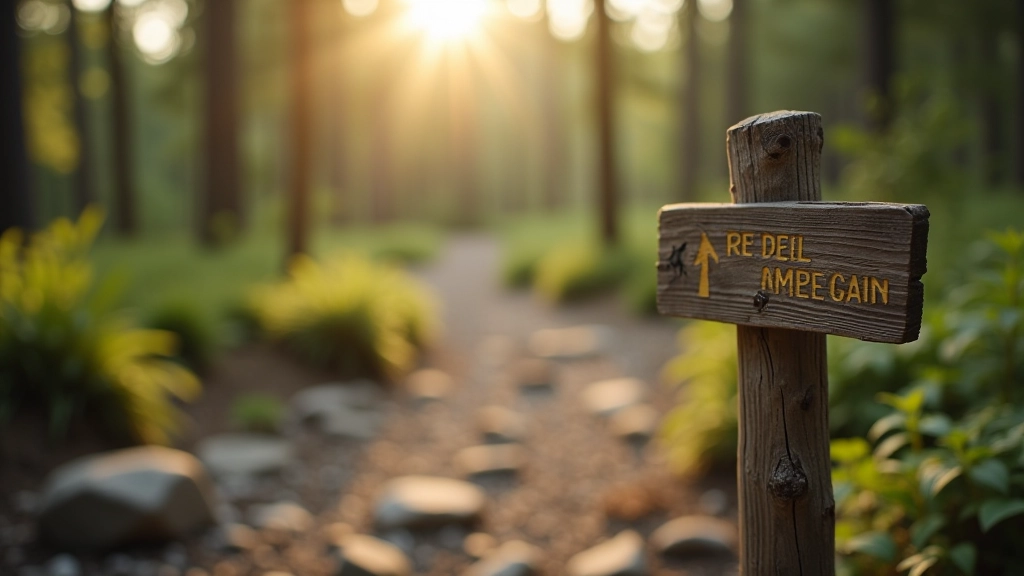
Better groups reconnoiter trails beforehand. They know about hazards, water sources, and real difficulty. If they can't describe the trail in detail, that's a warning sign.
Avoid These Common Beginner Mistakes
People who've been hiking for years see the same patterns with newcomers. You don't want to be the person who joins a group once and never comes back.
Overestimating your fitness
The most common mistake. You feel fine walking around town, so a 5-mile hike with 1,000 feet of elevation should be manageable, right? Wrong. Hiking's different. Uneven terrain, sustained climbing, altitude (depending where you live) — it all adds up. Pick something slightly easier than you think you can do. You'll have a better experience and be more likely to come back.
Not testing your gear
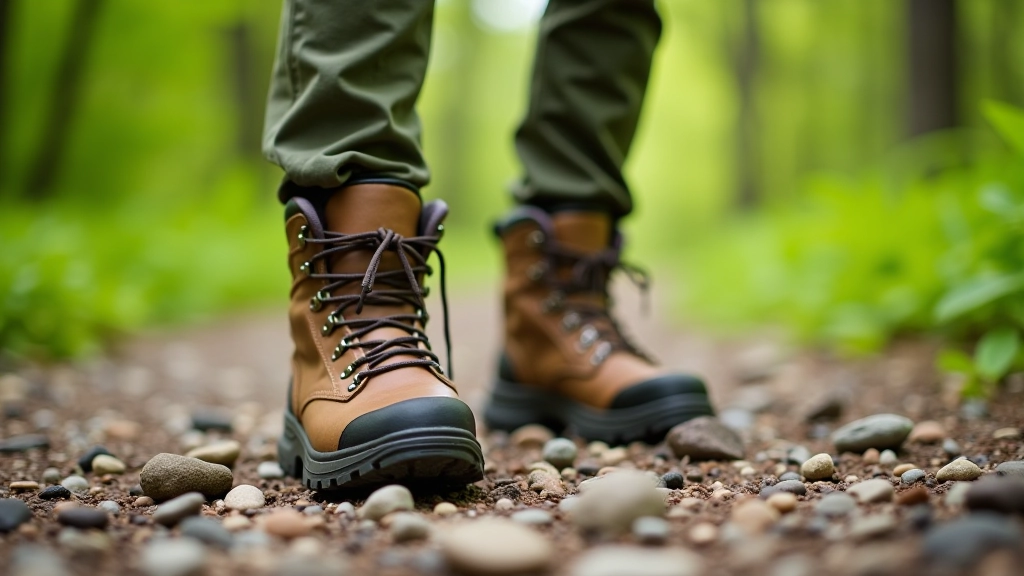
New boots on a group hike? Bad idea. They'll blister. A backpack you've never worn? It'll throw off your balance on technical sections. Test everything on a short solo hike first.
Joining a group that's too advanced
This kills enthusiasm fast. You're struggling while everyone else is chatting. You feel slow and out of shape. Reality check: you probably are too new for that group. That's not failure — it's information. Join a beginner group, build your fitness over a few months, then move up.
Showing up unprepared
No water. No snacks. Wearing cotton. These decisions compound. You get thirsty, hungry, cold, and uncomfortable. Suddenly a nice hike feels miserable. Bring more water than you think you'll need. Pack simple snacks like nuts or energy bars. Wear moisture-wicking layers.
Making Your First Group Hike Successful
You've found a group. You've asked questions. Now comes the actual hike. Here's how to set yourself up for success.
Arrive 10-15 minutes early. You'll have time to chat, get comfortable, and ask any last-minute questions. You won't feel rushed. Introduce yourself to the group leader and mention it's your first time — they'll keep an eye out for you.
Start conservatively on pace. You can always speed up. You can't easily slow down without feeling self-conscious. Hike toward the middle of the group, not at the back (which can feel isolating) or the front (which sets a pace you might not sustain).
Don't hesitate to take breaks. A good group expects them. Drink water. Catch your breath. Enjoy the view. This isn't a race.
Pay attention to how you feel physically and socially. Does the group feel welcoming? Is the pace sustainable? Are you having fun or just suffering through it? That feedback matters for deciding whether to come back.
Take Your Time Finding Your People
The right hiking group exists for you. It might take trying a couple before you find it, and that's normal. Some groups click immediately. Others take a few hikes to feel comfortable. That's okay.
The hikers you'll meet are generally kind people who love being outdoors. They remember what it felt like to be new. They want you to succeed and come back. Once you find your group, you're not just getting exercise — you're joining a community of people who share your interests.
Start with an honest assessment of your fitness. Ask the right questions. Pick a beginner-friendly group. Show up prepared and with realistic expectations. Do that, and you'll have a great first experience. Then you can worry about tackling steeper trails and longer distances.
Ready to start? Search for hiking groups in your area, pick one that matches your level, and sign up for their next beginner hike.
Disclaimer
This article provides general information about joining hiking groups and is intended for educational purposes. It's not medical advice. If you have any health concerns, injuries, or haven't exercised in a long time, consult with a healthcare professional before starting a new hiking program. Individual fitness levels vary significantly, and what works for one person may not work for another. Always follow the guidance of experienced group leaders and official trail markers when hiking. Weather, terrain, and personal circumstances can change conditions rapidly. Hike responsibly, stay hydrated, and know your limitations.
Related Articles