Planning Multi-Day Backpacking Adventures
Master the essentials of overnight trail trips. Learn route planning, permit requirements, campsite selection, and what to expect in the backcountry.
Why Multi-Day Trips Deserve Real Planning
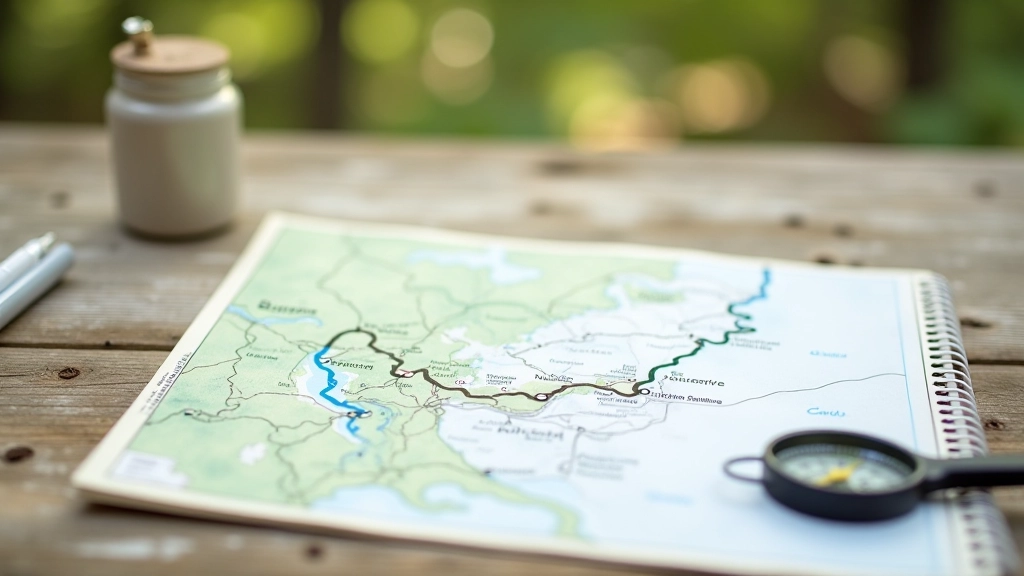
A day hike and a backpacking trip aren't the same animal. You're not just adding an overnight — you're managing water sources, camp logistics, and being self-sufficient in the backcountry. That's why planning matters so much.
The good news? It's not complicated. We've helped dozens of hikers organize their first multi-day adventures, and the process follows a clear sequence. Start here, and you'll avoid the common mistakes that derail trips before they even start.
Start with Route Selection
You'll want to pick your route before anything else. Not just any trail — one that matches your group's actual ability. If you're planning for hikers in the 45-65 age range, elevation gain and distance matter differently than they do for twenty-somethings.
Look at elevation per mile, not just total elevation. A 3,000-foot climb over 12 miles plays differently than 3,000 feet over 8 miles. Most groups we've seen prefer routes with no more than 1,500 feet of elevation per day. That leaves energy for camp setup and enjoying the destination.
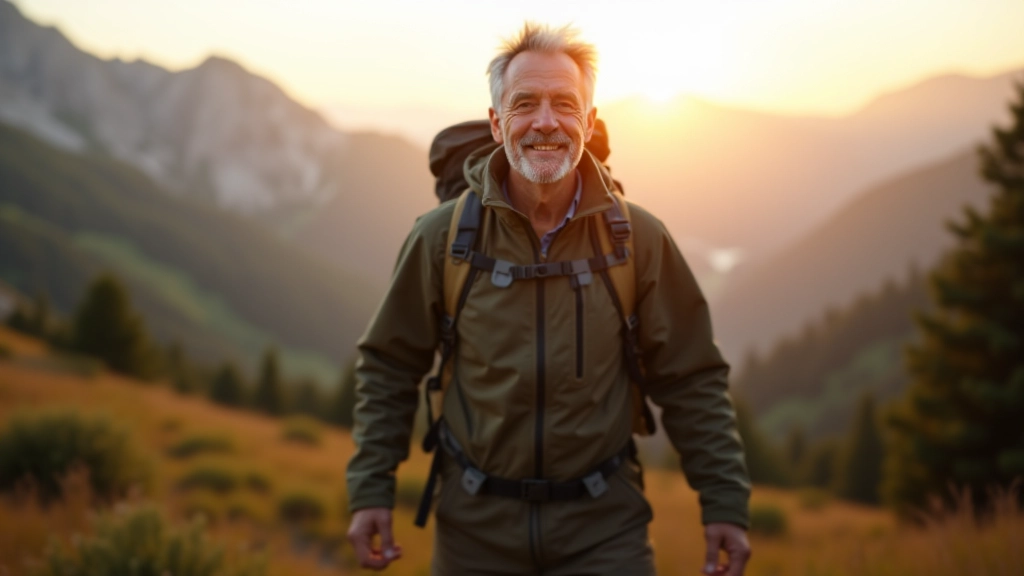
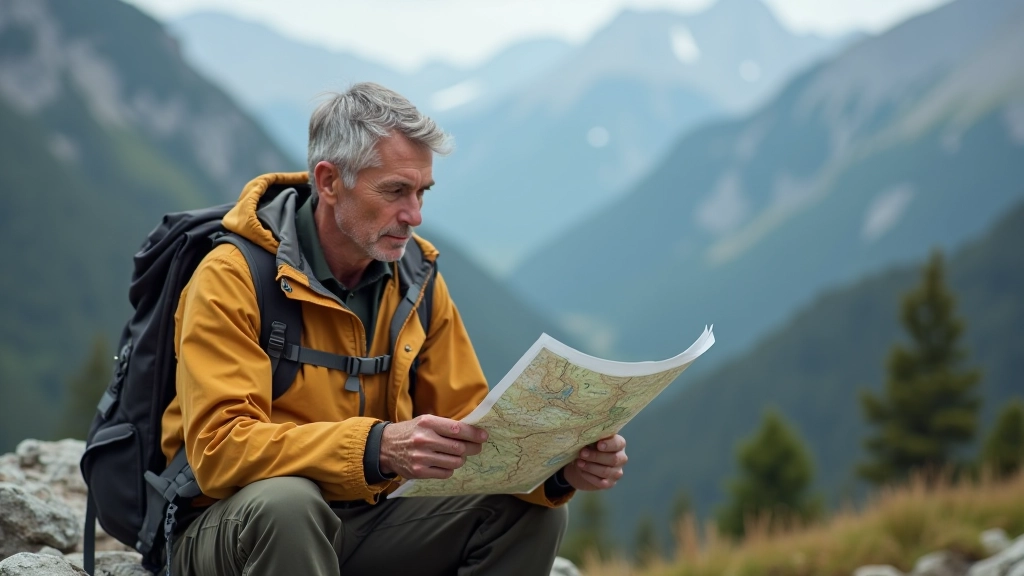
Use detailed topo maps — not just the app versions. They'll show you water sources, which is crucial for backcountry camping. Apps like AllTrails give you good baseline info, but a physical topographic map from the USGS shows way more detail about terrain and water locations.
Understanding Permits and Regulations
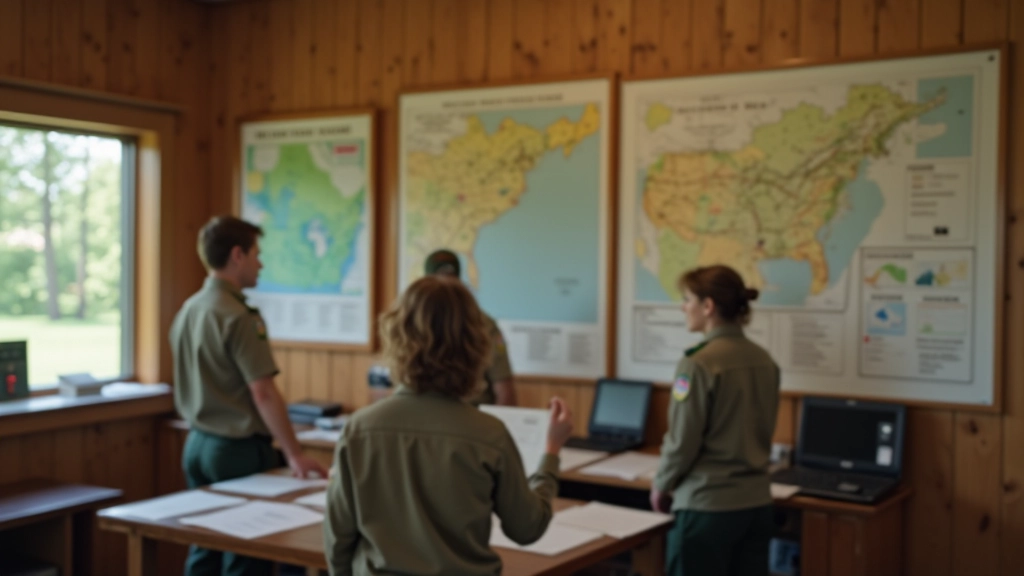
Every state park and wilderness area has different rules. Some require permits (often free), others have quotas during peak season. You need to know your specific area's requirements months in advance — especially if you're planning summer trips.
Call the ranger station or check their website. Get specifics on: permit requirements, group size limits, campfire regulations, and water availability. Don't assume anything. A group we took out last summer planned a 10-person trip and found out the area only allowed groups of 8 — they had to split the group.
Check seasonal closures too. Some areas don't open for backpacking until late spring because of snow or maintenance. Others have fall closures during hunting season. Planning in March for a June trip gives you time to adjust if your first-choice area isn't available.
Water Sources and Campsite Strategy
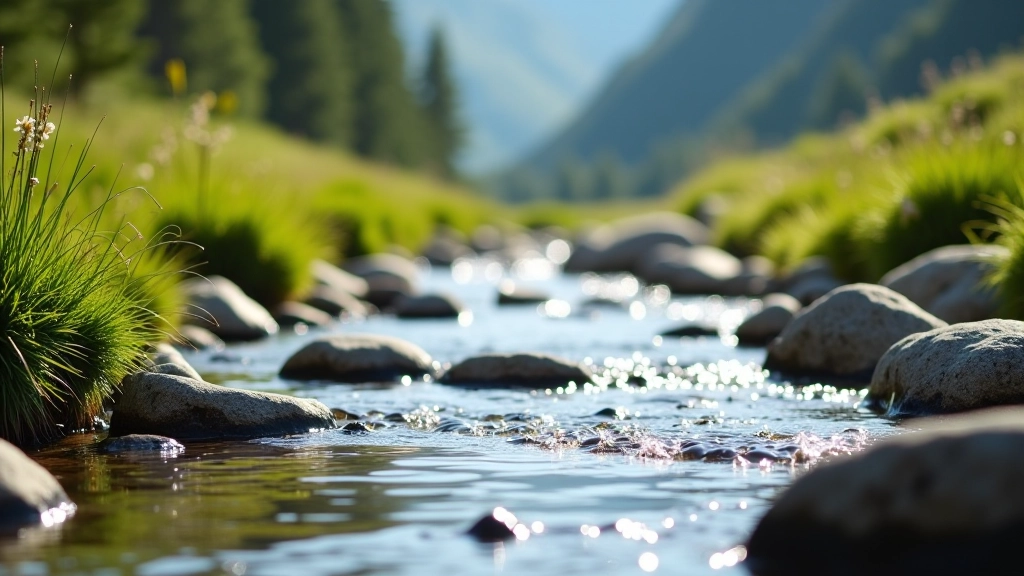
Water is your constraint. Plan your daily mileage around reliable water sources — streams, lakes, springs. You can't carry enough water for a 20-mile day in summer heat. Most backcountry trips work best when you're moving 8-12 miles between water sources, which usually means 1,000-1,500 feet of elevation gain.
Scout campsites on your map before you go. Look for flat ground near water but at least 200 feet away from the source (that's both for environmental impact and wildlife safety). Check if established campsites exist on your route — many wilderness areas have designated spots. Using them protects the landscape and tells you exactly where to expect level ground.
Water Planning Essentials
- Filter or treat all water sources — even clear mountain streams carry giardia
- Carry 2-3 liters of capacity, not 2-3 liters of water (weight matters)
- Know your water locations before each day's hike starts
- Test filter or treatment method at home first — don't learn in camp
Gear Weight and Food Planning
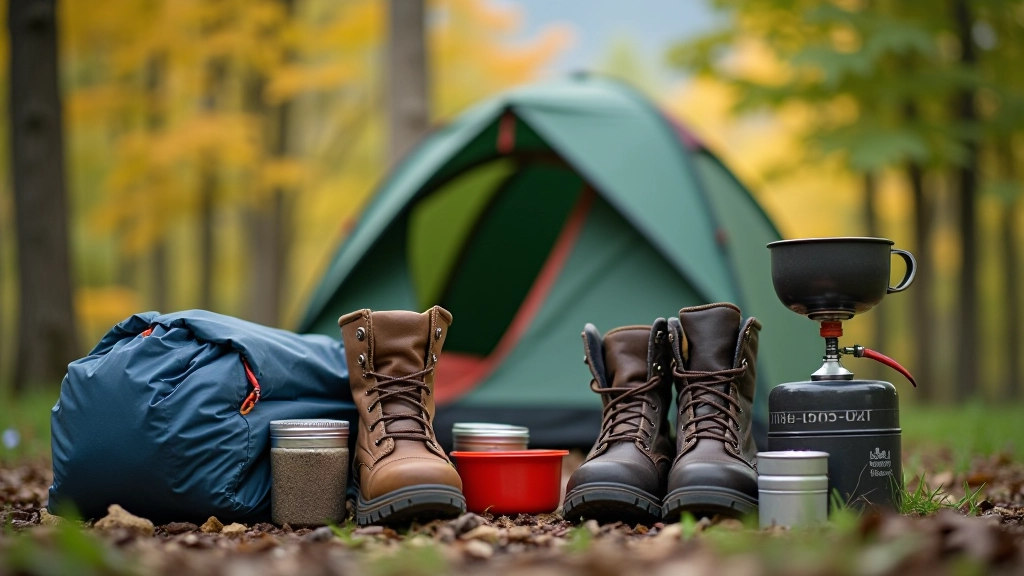
This is where a lot of people get it wrong. You don't need ultralight gear for a 2-3 day trip. What you need is gear that works and weighs less than what you'd carry on day hikes. A basic three-season tent, sleeping bag rated for the season, and a sleeping pad will run you 4-5 pounds combined. That's reasonable.
Food is where weight adds up fast. Plan for 1.5-2 pounds of food per person per day. That's roughly 4,000-5,000 calories depending on activity level and temperature. Dehydrated meals, energy bars, nuts, and instant oatmeal are your friends. Fresh food is heavy and doesn't keep — save that for base camp trips.
Test your pack weight before the trip. A reasonable loaded pack for 2-3 days is 20-30 pounds. If you're hitting 40 pounds, you've either over-packed or underestimated the trip length. Do a practice hike with your full pack at least once — it's completely different from hiking with a day pack.
Your Planning Timeline
Don't rush the planning process. Start early, work through each phase systematically, and you'll avoid last-minute stress.
3-4 months before
Route and Permit Phase
Choose your area, get maps, check permit requirements. Submit permits if required. Confirm group size and gauge interest.
2 months before
Detailed Planning Phase
Finalize route, identify water sources and campsites, calculate daily mileage. Brief your group on expectations and difficulty.
6-8 weeks before
Gear and Logistics
Confirm group members have required gear. Plan food, identify any group equipment to share. Do a group shakedown hike if possible.
2-3 weeks before
Final Preparation
Check weather patterns for your planned dates. Confirm all group members are ready. Do a practice pack hike individually.
1 week before
Final Check
Verify permits, check weather forecast, confirm group attendance. Review emergency contacts and first aid supplies.
Setting Realistic Expectations
Backcountry camping isn't glamping. You won't have hot showers, real beds, or gourmet meals. That's not a problem — it's the point. But people need to know what they're signing up for.
Be honest about difficulty. If it's someone's first overnight trip, find a 6-8 mile route with minimal elevation. Let them get comfortable with camp setup and overnight logistics before adding 15-mile days or serious climbing. A lot of people quit backpacking after their first trip not because they're unfit, but because the trip was too ambitious.
"We planned a 12-mile first day with 2,500 feet of elevation. Halfway through, two group members were struggling badly. We should've known better — their experience was mostly flat park trails. Now we always start with easier routes."
— James, trip leader
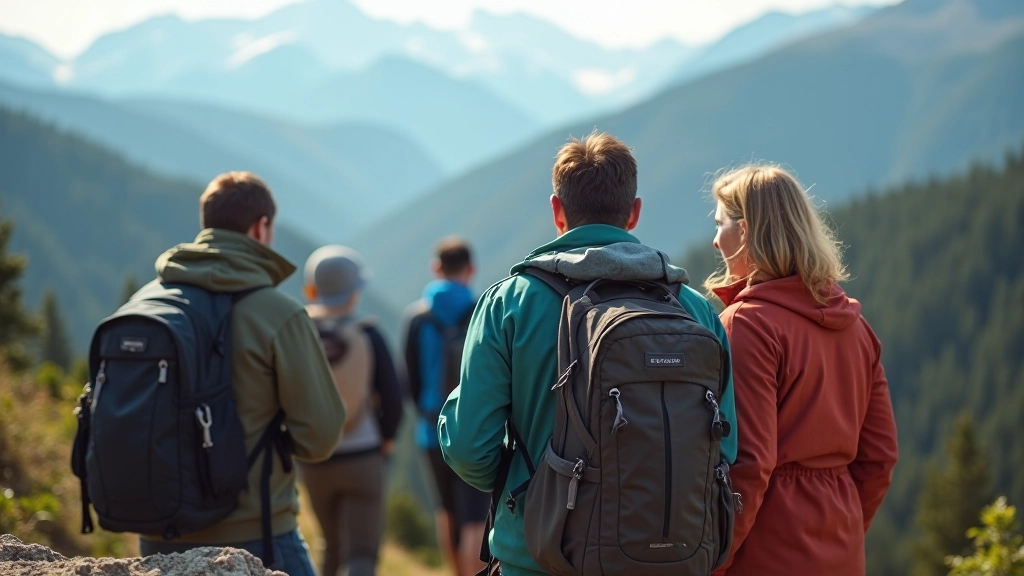
Start Simple, Learn as You Go
Your first multi-day trip doesn't need to be complicated. Pick a straightforward route with established campsites, plan for 8-10 miles per day, and focus on getting the basics right. Water sources, permit requirements, and realistic mileage for your group matter far more than cutting-edge gear.
The actual hiking is the fun part. Everything else — the planning, the logistics, the gear decisions — is just foundation work. Get that right and you'll have time to enjoy the mountains, the quiet, and the company of people who love trails like you do.
Your Pre-Trip Checklist
Permits submitted and confirmed
Route finalized with water sources marked
All group members have required gear
Food planned and purchased
Emergency contacts and first aid supplies confirmed
Pack weight tested with full load
Important Information
This guide provides educational information about planning multi-day backpacking trips. Individual circumstances, physical abilities, and local regulations vary significantly. Always verify permit requirements with your specific park or wilderness area, consult current weather forecasts, and assess your group's experience level honestly. Consider hiring a professional guide for your first trip if anyone in the group is inexperienced. The information here is based on common practices but isn't a substitute for thorough research of your specific destination and conditions.
Related Articles